

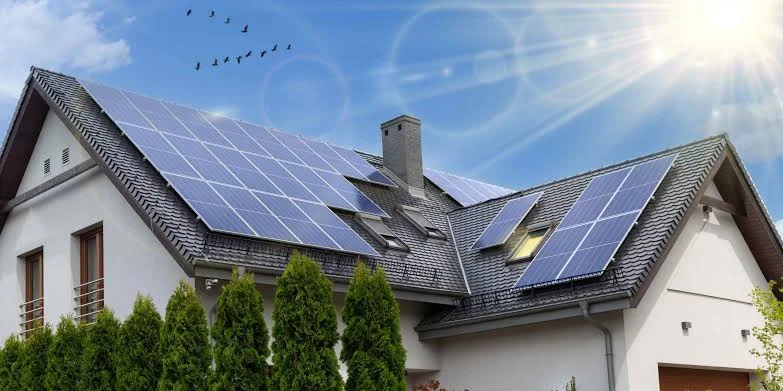
Are Solar Panels Worth It?
Homeowners across the country are always asking if solar panels are an idea today. Honestly, It depends on how much you pay for electricity, the condition of your roof, local incentives and how long you plan to stay in your home. For households solar energy pays off over time with electricity bills and long-term savings. This article will break down the costs, expected returns and factors that decide if solar panels make sense for your home.
How Solar Panels Work
Photovoltaic Cells and Energy Conversion
Solar panels use cells that turn sunlight into electricity. Each cell has layers that react to sunlight and create a flow of electrons. This electrical current then goes through a device, which turns it into power for your appliances. The process is quiet has no moving parts, which is why panels last for decades with little upkeep. Solar panels use photovoltaic cells. These cells are very important.
On-Grid vs Off-Grid Solar Systems
Most homes connect to the power grid allowing, you to draw electricity when your panels aren’t producing enough. Off-grid systems rely entirely on batteries for storage work independently from utility companies. Grid-tied systems cost less upfront since they don’t need expensive battery banks. Off-grid setups are best for properties where grid access isn’t practical or affordable. Solar panels can be part of on-grid or off-grid systems.
Average Cost of Solar Panel Installation
Cost by System Size (kW)
Installation costs vary based on how energy you need to offset. A smaller 4kW system might cost less than a 10kW setup for homes with higher energy use. Pricing includes panels, inverters, mounting hardware and labor. Most residential installations fall within a price range before incentives are applied. The cost of panels depends on the system size.
Factors That Affect Solar Panel Pricing
Several things influence the price, including the panel brand roof, complexity and labor rates. Homes with complex-shaped roofs often require extra mounting work, which raises costs. Adding battery storage also increases the investment. Choosing an installer with transparent pricing helps avoid unexpected charges. Solar panel pricing is affected by factors, including the panel brand.
Solar Panel Savings on Electricity Bills
Monthly and Annual Savings Estimates
Once installed panels start reducing your electricity bills right away. Many households see savings within the billing cycle, especially in areas with high utility rates. Over a year these savings add up often cover a significant portion of the system’s cost. The exact figure depends on sunlight hours, system size and your energy habits. Solar panels can save you money on electricity bills.
Net Metering and Utility Buyback Programs
Net metering lets you send power back to the grid in exchange for bill credits. This arrangement turns electricity into savings. Not every state or utility offers the buyback rates; checking local programs is essential. Strong net metering policies can shorten the payback period. Solar and Net metering work together.
Solar Panel Payback Period (Return on Investment)
How to Calculate Solar ROI
Calculating return on investment involves dividing the installation cost by your savings. This simple formula gives you an estimate of how many years it takes to recover your upfront expense. Adding incentives and rebates usually shortens that timeline. Online solar calculators can simplify this process using utility rates. You can calculate the payback period for panels.
Average Break-Even Timeline
Solar systems for homes usually pay for themselves in six to ten years. This depends on where you live and how much energy you use. After that you get electricity for the rest of the time the solar panels work. Solar panels last a long time usually twenty five years or more. The good thing is that the later years are when you really start to save money. This is why a lot of people think solar systems are an idea for their homes. Solar systems are a good investment because they last so long and save you money in the long run. Solar is a choice for many households.
Federal and State Solar Incentives
Federal Solar Tax Credit
The federal solar tax credit is a help to homeowners who want to save money on their taxes when they install solar panels. This makes solar panels more affordable for people all over the country. You should check the rules and percentages for the credit before you install panels because they can change. The federal solar tax credit can really reduce the cost of installing panels.
State Rebates and Local Incentives
Many states offer their own rebates, tax exemptions or incentives for installing solar panels. Some areas also do not charge property tax when you add value to your home with solar panels. These local programs are different everywhere so homeowners should look into what’s available in their area. When you combine state and federal incentives you can save money faster with panels.
Benefits of Installing Solar Panels
Long-Term Energy Cost Reduction
After you pay for your panel system you can enjoy many years of lower or no electricity bills. This means you will save money every month and you will not have to worry about electricity bills going up. Solar panels also help you avoid paying more when inflation goes up because your energy costs will stay the same. This is great for homeowners who want to plan their budgets for a long time. Solar panels will help you save money for a long time.
Environmental Impact and Carbon Footprint
Solar energy is good for the environment because it makes electricity without burning fossil fuels, which reduces the carbon footprint of your household. When you choose solar energy you are using less coal and natural gas, which is better for the planet. Many homeowners like this benefit as much as the money they save with solar panels. Over time solar panels can really reduce greenhouse gas emissions.
Drawbacks and Challenges of Solar Energy
Upfront Installation Costs
The cost of installing panels is still a problem for some households. If you get a loan or lease to pay for panels it can be easier to pay for them but you might not save as much money. Homeowners who do not have access to financing might find it harder to pay for panels. You need to think about your budget how much you will save with solar panels before you decide to get them.
Maintenance and Panel Efficiency Over Time
Solar panels do need some maintenance. They do not work as well as they get older. If you do not clean your panels they might not work as well because of dust and debris. Most companies that make panels will fix them for 20 to 25 years, which helps if they do not work as well over time. You should know that solar panels will not work as well over time so you can plan for it.
Solar Panels and Home Value
Homes with panels are often worth more than homes without them. Buyers think that solar panels are a valuable feature to have, not just something extra. If you sell your home the extra value of the panels can help pay for the cost of installing them. Solar panels can make your home worth more.
Is Your Home a Good Fit for Solar?
Roof Condition, Sunlight Exposure and Location
Not every home is a fit for solar panels. If your roof is old you might need to replace it before you can install panels. Your roof also needs to get a lot of sunlight or the solar panels will not work well. Where you live is important too because some places get more sunlight than others. Solar panels need sunlight to work.
Energy Consumption Needs
If you use a lot of electricity solar panels can be a choice for you. You should look at your electricity bills to see how much energy you use so you can get the right size solar panel system. If you get a system that’s too big you will waste money and if you get one that is too small you will not save money. You should get an energy audit before you install panels so you can get a system that is right for your home and your energy needs. This will help you save money with panels.
Solar Panels vs Traditional Electricity: Which Is More Cost-Effective?
When you think about solar power and traditional grid electricity you have to consider what is more important to you: paying less money over a long time or having it easy and paying every month. Traditional grid electricity does not need any money from you to start. The prices keep going up and you do not own anything. Solar panels need a lot of money at the beginning. After that you will not have to pay much every month. For people who own a home solar panels are the better choice because they save you money over 20 to 25 years.
Conclusion
Whether or not solar panels are a good idea for you depends on your situation. You have to think about the condition of your roof, what incentives you can get in your area how much you pay for electricity and how you plan to live in your home. For a lot of people solar panels are a choice because they save you money over time, you can get tax credits and your home becomes more valuable. If you are thinking about getting panels you should look at how much energy you use, get prices from many different companies and figure out how long it will take to get your money back before you make a decision. Solar panels are an investment so you should think carefully about solar panels and what they can do for you and consider solar panels as a way to save money on your electricity bills with solar panels.
FAQs
How do solar panels typically long last?
Solar panels usually last twenty-five to thirty years. They do not stop working after that. Their efficiency decreases over time.
Do solar panels work on cloudy days?
Yes, solar panels still make electricity on cloudy days. They just do not make as much electricity as they do on sunny days.
What happens to solar energy?
When you make more electricity than you use it goes back to the grid. You get credit for it on your bill, which you can use later.
Do I need battery storage for panels?
You do not need battery storage if you are connected to the grid. It is useful if you want power when the grid is down.
Do solar panels make my home worth more?
Yes, homes with panels sell for more money than homes without them.
